
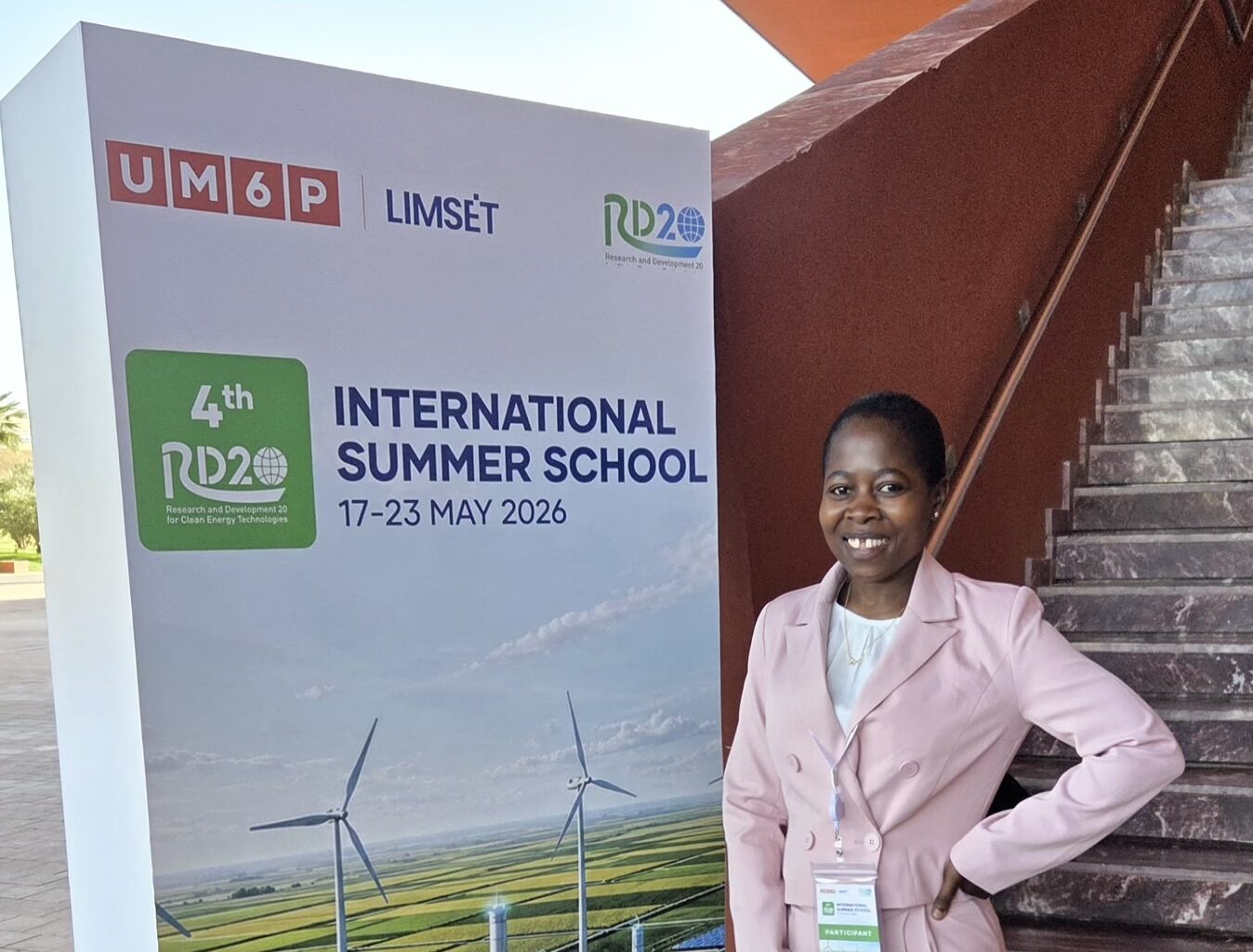
Returning back to the UK after participating in the 4th International RD20 Summer School 2026 in Ben Guerir, Morocco, I find myself reflecting not only on the technical knowledge gained, but also on the wider conversations, collaborations, and perspectives that emerged throughout the week.
My participation was supported by the UK Energy Research Centre, and I am grateful for the opportunity to engage in an international environment bringing together researchers, industry experts, policymakers, and early-career researchers working towards common clean energy goals.
Hosted by Mohammed VI Polytechnic University (UM6P) and the Laboratory of Inorganic Materials for Sustainable Energy Technologies (LIMSET), the Summer School explored themes spanning energy storage, Power-to-X, hydrogen, critical materials, AI, sustainability, and systems transitions.
The discussions on battery energy storage, thermal energy storage, and microgrid integration strongly resonated with my own research on agricultural microgrids, decentralised energy systems, and rural energy transitions.
One important reflection was that energy transition challenges are increasingly extending beyond technology itself.
Although the sessions were highly technical, many discussions repeatedly returned to broader issues including:
This reinforced something increasingly visible within energy transition research: the challenge is no longer only whether technologies exist, but how they can be deployed sustainably, equitably, and at scale.
The sessions on green hydrogen, ammonia, solar fuels, and carbon capture highlighted the role of low carbon molecules within future energy systems, and the panel discussion on Scaling Power-to-X was particularly insightful.
Several themes emerged repeatedly:
A major takeaway for me was the recognition that Power-to-X is not solely a technology challenge; it is equally an infrastructure, market, and systems challenge.
The discussions also aligned closely with my research interests around green hydrogen integration and decentralised energy systems, particularly regarding future opportunities for productive agricultural applications.
The later sessions shifted focus towards critical materials, AI-driven innovation, sustainability, and value chains.
The presentation on supply chains and critical minerals was especially striking.
The idea that mineral supply risk is increasingly becoming energy security risk highlighted how future energy transitions depend not only on deployment but also on upstream material systems.
Equally interesting was the discussion on AI in materials science, demonstrating how data-driven approaches can accelerate discovery and decision-making while addressing increasingly complex energy challenges.
The final sustainability discussions reinforced another recurring message from the week:
Technology alone will not deliver the transition.
Financing, policy, stakeholder participation, international cooperation, and inclusive implementation remain essential.
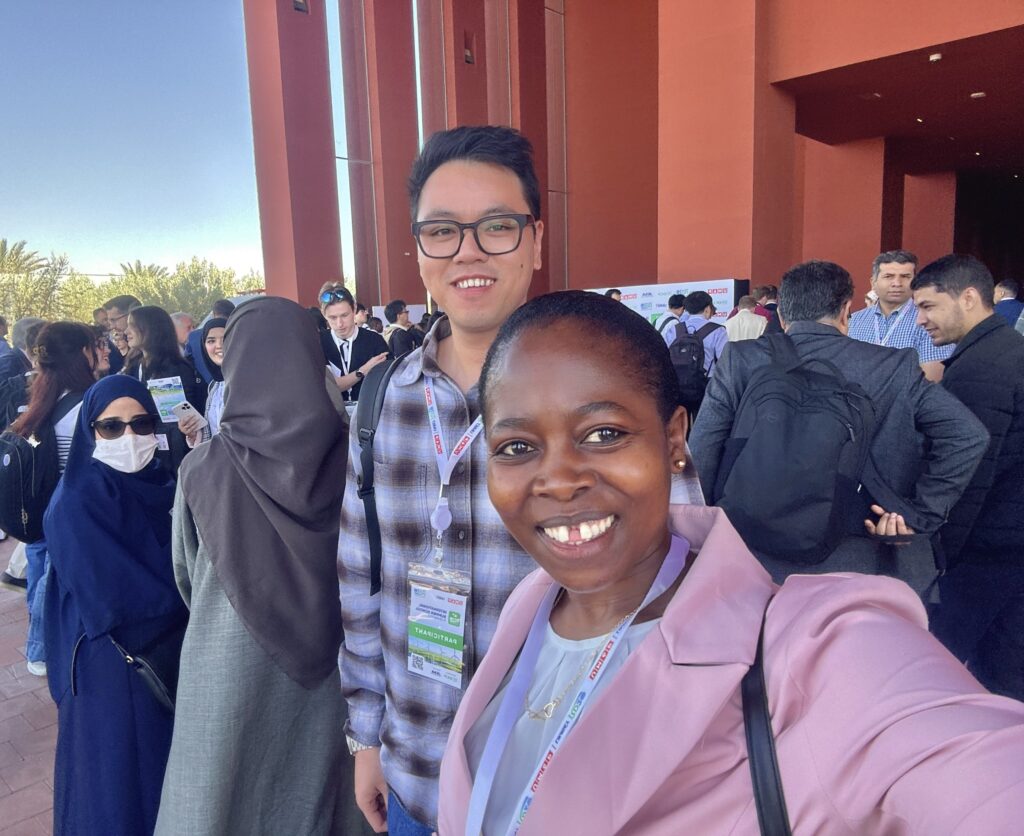
Beyond lectures and case studies, one of the greatest values of the Summer School was the opportunity to engage with researchers and professionals from multiple countries and institutions.
The experience created space for conversations around future collaborations, shared research interests, and opportunities to contribute collectively toward energy transition goals.
For me, this was particularly valuable as my current research explores sustainable rural energy systems, agricultural microgrids, digital twins, techno-economic assessment, lifecycle analysis, and green hydrogen integration.
Many discussions during the week reinforced potential intersections between these areas and broader international energy transition priorities.
Reflecting on the full experience, several messages stand out:
The RD20 Summer School was not just a technical training programme; it was a platform for learning, collaboration, and systems thinking.
I return with new knowledge, strengthened networks, potential collaborations, and renewed motivation to continue contributing to sustainable energy transitions through my research.
My sincere appreciation goes to UKERC for supporting my participation and enabling this experience, as well as to UM6P, LIMSET, organisers, speakers, and fellow participants for creating such an engaging and impactful programme.
The conversations will certainly continue beyond the Summer School.