
Energy systems are transforming at remarkable speed. Across policy, technology and governance, the transition to a more sustainable energy future is reshaping how societies produce, distribute and consume energy. Yet beneath discussions around decarbonisation pathways, regulatory reforms and system transformation lies a more subtle question: who gets to shape the future of the energy transition, and whose voices are still missing from the conversation?
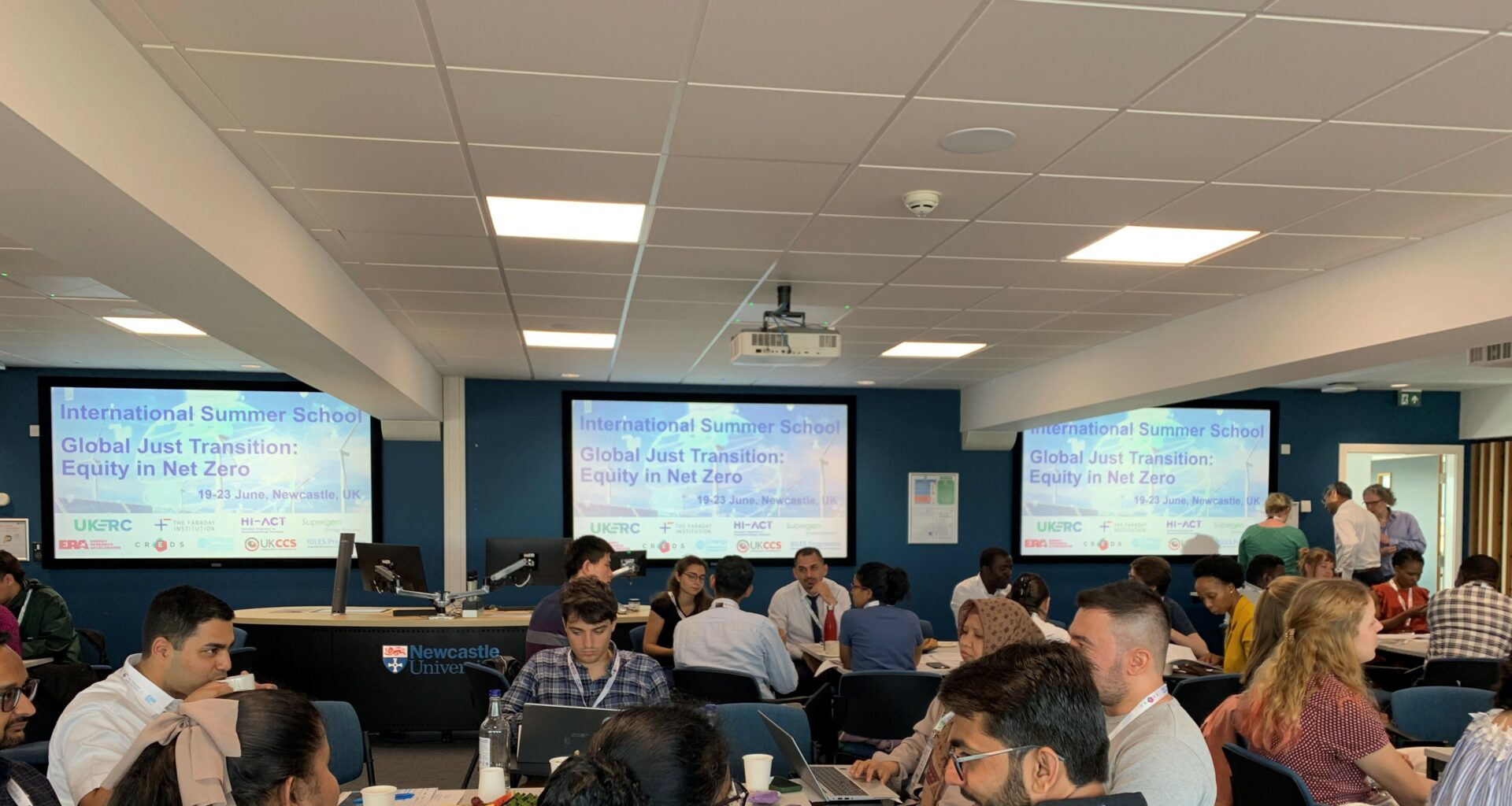
This question formed the core purpose of the event “EDI in Energy Research: from Theory to Practice,” co-hosted by the UK Energy Research Centre (UKERC), Supergen Energy Networks Hub, EDI+ in Energy Research and IGNITE Network+. The event brought together researchers and practitioners from across the energy research community to explore how equity, diversity and inclusion can move beyond institutional commitments into everyday research practice.
Attending the event held both professional and personal significance for me. As a PhD researcher at the Centre for Energy Policy, my work focuses on how policy, regulations and economic structures shape the energy transition. At the same time, my role as Head of the ED&I Committee within the Doctoral Researchers Group at the University of Strathclyde has led me to reflect on how inclusive our research environments really are. Who feels welcome? Who is visible? Who is still searching for a sense of belonging?
The event created space for these questions to be openly explored. It was insightful to be part of conversations that intersected so closely with both my academic journey and leadership responsibilities.
The central aim of the event was captured in its title. For many institutions, EDI has become part of strategic language, visible in mission statements, institutional frameworks and funding policies. But translating those commitments into meaningful change requires confronting the structural realities that still exist within research communities and the energy sector.
The discussions moved beyond abstract principles and focused on how inclusion can be embedded into research design, recruitment practices, institutional leadership and professional networks. What stood out most was how grounded the conversations were in lived experiences and practical strategies for change.
One of the most powerful contributions came from Christabel Ofori-Atta. She described standing on an offshore oil and gas platform in West Africa and realising she was the only woman on the rig. She spoke candidly about working in an environment where infrastructure, workplace culture and expectations had been designed without diversity in mind.
Her story captured something statistics alone rarely convey: the subtle but powerful ways workplace structures can signal inclusion or exclusion. She later shared that while Black people represent roughly four percent of the UK population, they account for around two percent of the workforce in the UK energy sector. Those figures point to deeper patterns within recruitment, professional networks and institutional culture.
As a Black woman working in energy research and policy spaces, her experience felt both personal and professionally meaningful. Representation is often discussed in institutional terms, but stories like this remind us that, at its core, it is about people and the need for inclusion.
Christabel also spoke about the transformative impact of community through her involvement with Energyz Black, a network supporting Black professionals across the UK energy sector. What stayed with me most was her description of the shift from asking “Do I belong here?” to recognising “I can lead here.” For many early-career researchers and professionals, that shift can make the difference between simply surviving in a field and truly thriving within it.
Another powerful perspective came from Dr Neha Chandarana, who reflected on navigating academia as a woman of colour and a neurodivergent researcher. At one stage, she had been advised not to apply for an EDI leadership role, perhaps out of concern that it might complicate her academic path. Instead, she applied and was ultimately appointed.
Her reflections highlighted the importance of understanding intersectionality – how gender, ethnicity, neurodiversity and professional identity intersect to shape people’s experiences within research environments. Listening to her reminded me that academic journeys are rarely shaped by curiosity alone. Quiet resilience often sits behind the path many scholars dare to walk.
Several themes emerged throughout the discussions.
First, EDI must be embedded, not added on. Inclusion cannot function as a side initiative or afterthought. When it sits outside core research structures, it risks becoming symbolic rather than transformative. Instead, EDI should influence how projects are designed, how collaborations are formed and how leadership opportunities are distributed.
Second, evidence matters. Participants stressed the importance of collecting reliable data on representation, participation and progression across research communities and the energy sector. Without evidence, institutions risk relying on assumptions rather than facts. Tracking recruitment, retention and career progression allows organisations to identify gaps and design meaningful interventions.
Finally, the discussions highlighted the importance of leadership and accountability. Inclusive research cultures do not happen by chance. They require deliberate action, measurable outcomes and clear responsibility. Without accountability, even well-intentioned commitments risk remaining symbolic.
As the conversations unfolded, I found myself reflecting on my own journey within energy research. Being an early-career researcher often means navigating spaces where professional identities are still taking shape. For researchers from underrepresented backgrounds, that journey can sometimes feel even more complex.
Representation and mentorship can make a profound difference. Christabel’s story made this especially clear. Seeing someone who reflects aspects of your own identity standing confidently in a space that has historically lacked such representation can quietly expand our sense of what is possible.
The event also made me reflect on my own role within the Doctoral Researchers Group. Many of the themes raised throughout the day, visibility, inclusion and access to networks, are challenges that exist within doctoral communities as well. Events like this remind us that inclusion is not only about providing opportunities. Sometimes people simply need reassurance that they truly belong in the environments they occupy.
The transition to a sustainable energy future is one of the defining challenges of our time. But its success will depend not only on technological innovation or policy design, but also on the diversity of perspectives shaping the research behind it.
Events like EDI in Energy Research: From Theory to Practice remind us that meaningful change often begins with conversations like these. The challenge now is ensuring those conversations lead to lasting improvements within our institutions, research cultures and the wider energy sector.
My sincere thanks go to the organisers, the UK Energy Research Centre, Supergen Energy Networks Hub, EDI+ in Energy Research and IGNITE Network+, for creating a space where these discussions could unfold so openly. The real work now lies in carrying these lessons forward and embedding them into the everyday culture of energy research, so that inclusion becomes not just an idea, but a lived reality.